Link to Website Index: 

The Hippo BRV follows in a long line of amphibious support vehicles dating back to
WW2, when Sherman tanks were converted to provide armoured support to landing vehicles
on D-
The Shermans were replaced in the early 1960s by conversions of surplus early mark Centurion tanks and these served with the Royal Marines (onboard HMS FEARLES/INTREPID/ALBION/Bulwark until the early 2000s, when they were replaced by a conversion of the Leopard 1 tank named the Hippo BRV.
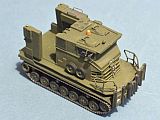
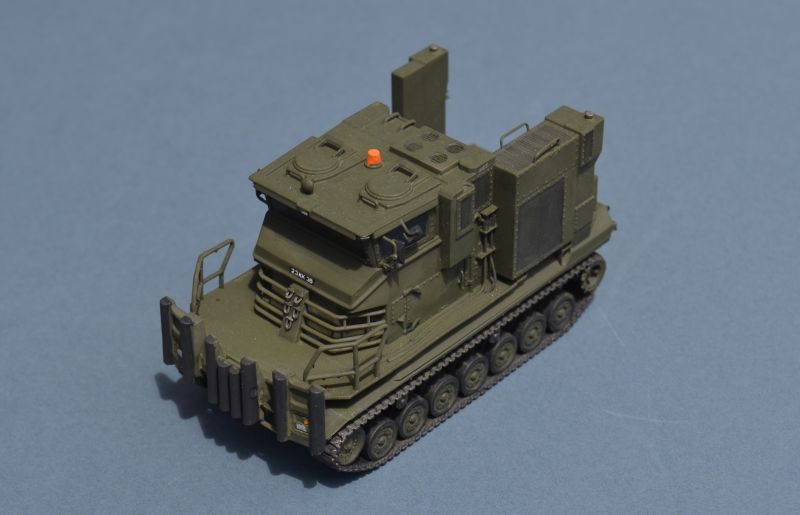
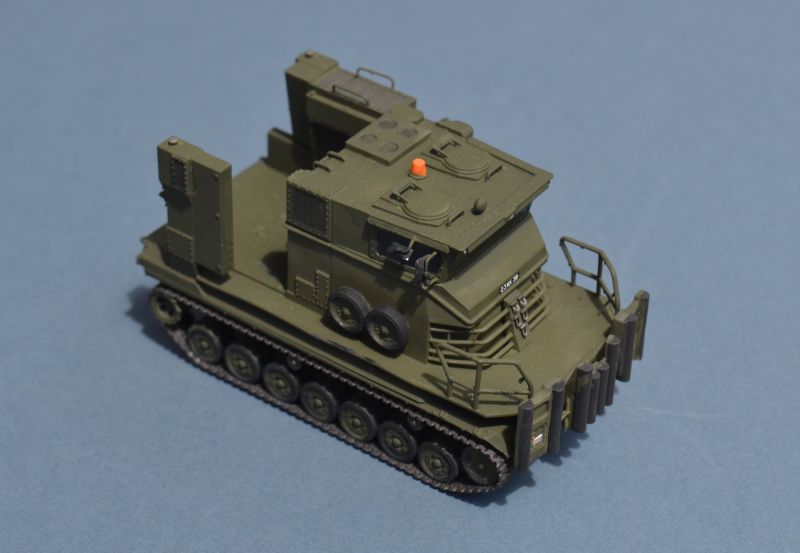
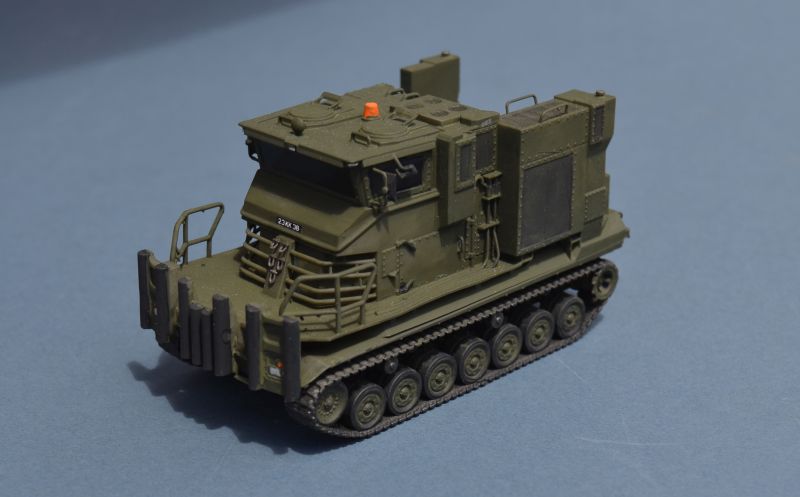
Produced by Alvis Moelv in Sweden (later BAE SYTEMS Hagglunds), they feature a raised ship’s bridge structure, raised exhausts/intakes/vents and nose buffers to enable them to push grounded landing craft or other stuck vehicles that might be obstructing a beach landing point. Unlike the Shermans and Centurions, the Hippo is not armoured, but the enclosed cabin provides shelter against severe environmental conditions and also enables NBC protection for the crew. The vehicle retains its original propulsion, but gearing has been revised to enable greater torque for pushing or towing, albeit at a much lower speed.
The RN possesses 4 Hippos, although their current disposition is not clear given the untimely retirement of HMS ALBION & BULWARK and their sale to Brazil. The Royal Netherlands Marine Corps also possesses similar Leopard 1 based BRVs.
Printing a Hippo
This is another 3D print, this time from Eaglesnest3d, again via the Cults3D website. The STL files cost £10.31 and are superb, with a ready supported version overcoming my ongoing issues with the provision and subsequent removal of supports. As supplied the files are sized for 1/72 scale. Sadly, the issue with wheels not printing fully remains, with the lower corner of the two spare wheels on the cabin side being a little distorted where their supports were attached. However, I did manage to remove supports from all the guard rails and the wing mirrors without breaking anything!
If this model had arrived in a kit box from one of the major manufacturers, I would have been impressed by it; that it came as a set of low cost "print at home" files is really quite remarkable. The detail and accuracy is at least as good or better than injection moulded, without the compromises forced by moulding technology and the need to assemble smaller parts. Better still, if you mess it up in any way, you can just print another.

Link to Website Index:
Text & Images © www.gengriz.co.uk (unless otherwise indicated)
Background and below -
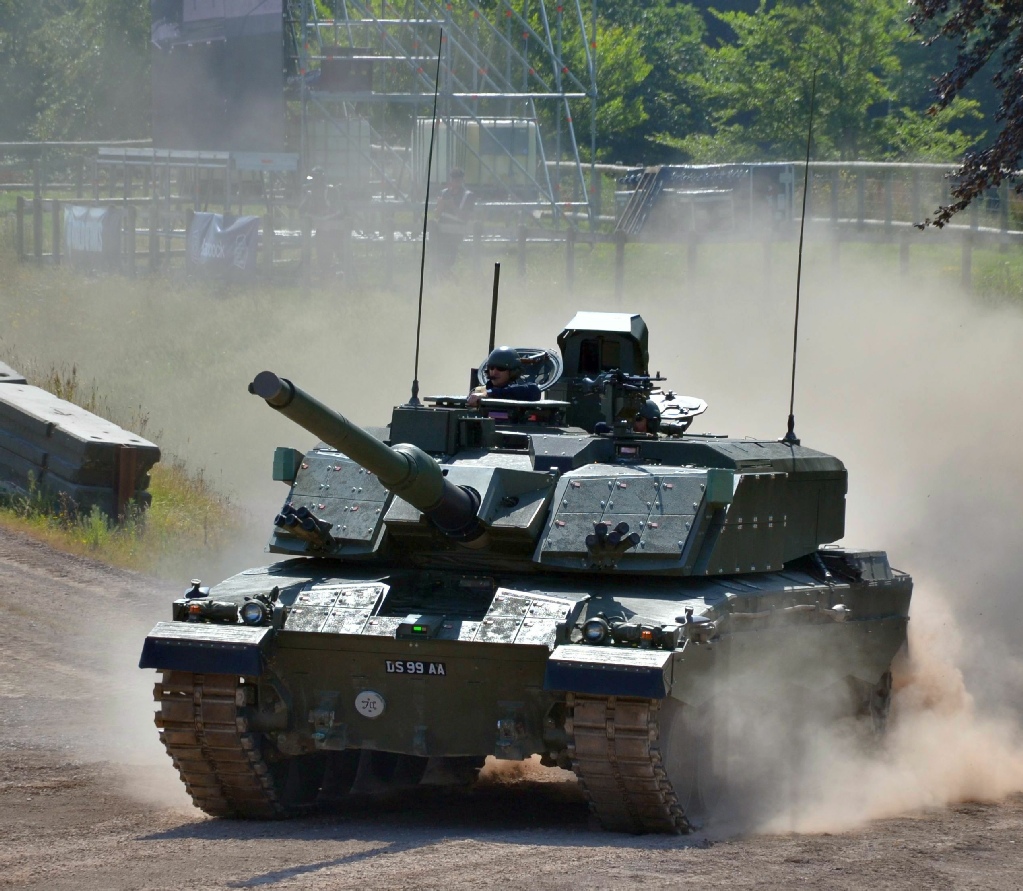
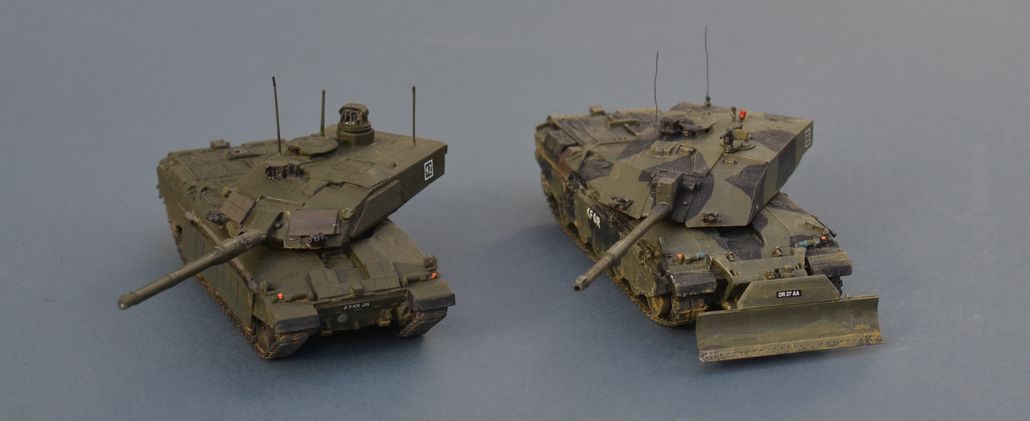
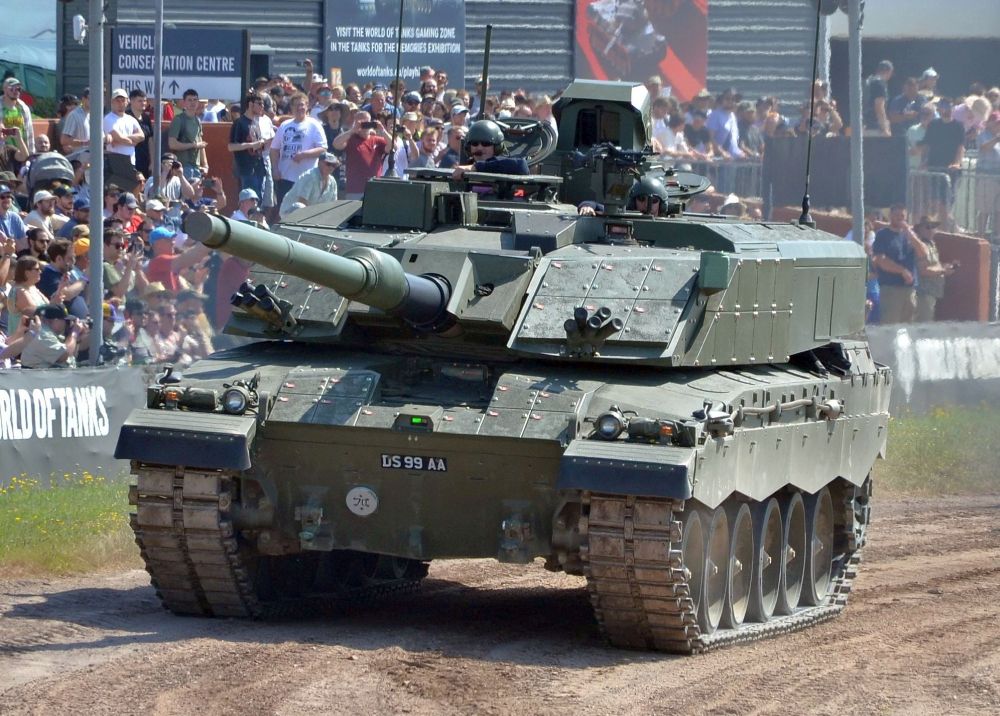
The Challenger 3 is an updated version of the Challenger 2 produced by UK-
Adoption of the smoothbore gun over the traditional rifled barrels carries a potential loss of accuracy, but enables the use of smarter and more modern NATO standard ammunition, thus improving UK and wider NATO logistics. A joint ammunition development programme with Germany will enable new ammunition variants to be developed at lower costs.
A total of 148 existing Challenger 2 tanks will be converted, with full entry into service planned for 2027. The Challenger 3 made its first public appearance at this year’s Tank Festival at the Bovington Tank Museum, where it displayed alongside a Challenger 1 and Challenger 2.
The BvS10 (Bandvagn Skyddad 10) was originally developed as a collaboration between
Hägglunds Vehicle AB -
First fielded in 2006, the Viking, as it is known in British service, is powered by a Cummins 5.9 litre diesel, and can travel at up to 65 km/h on road surfaces, with a load capacity of up to 5 tons.
The Royal Marines Armoured Support Company, now known as "Viking Squadron" deployed with Vikings to Afghanistan in September 2006.
The UK currently operates 4 variants: a Troop Carrier carrying 2 crew and 10 passengers; a Command Vehicle with 2 crew plus up to 8 passengers plus an enhanced communications platform, a Repair and Recovery variant and an Ambulance Variant (AV).
All Vikings are air-
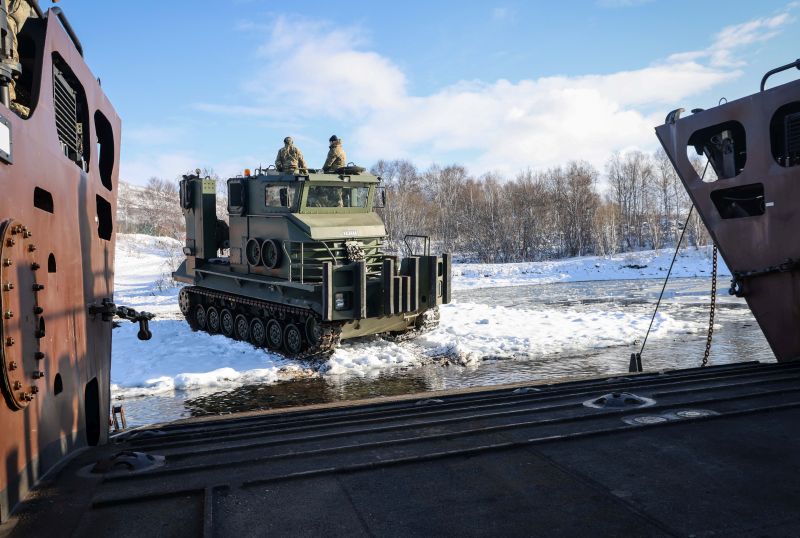
A Hippo approaches a Royal Navy Landing Craft © UK MOD FLEET-
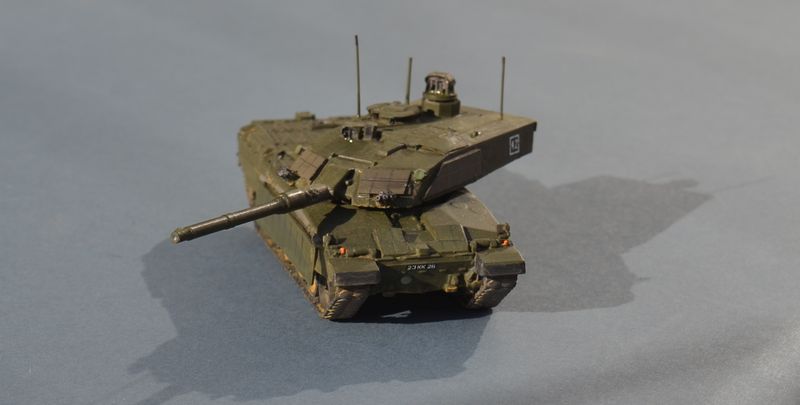
Printing a Challenger 3
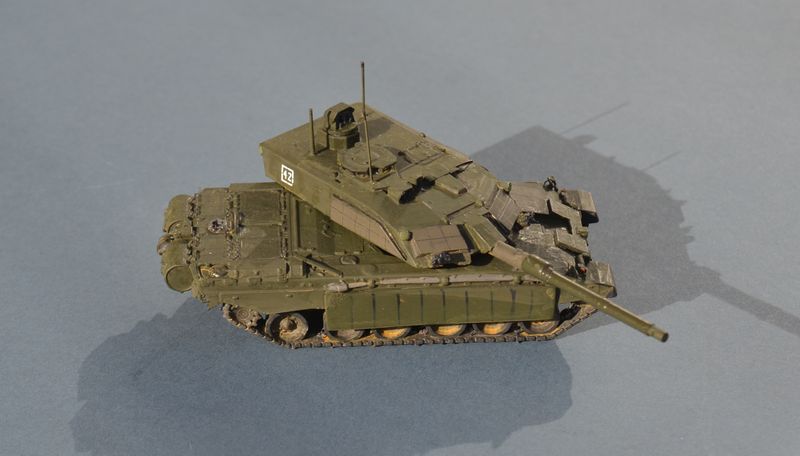
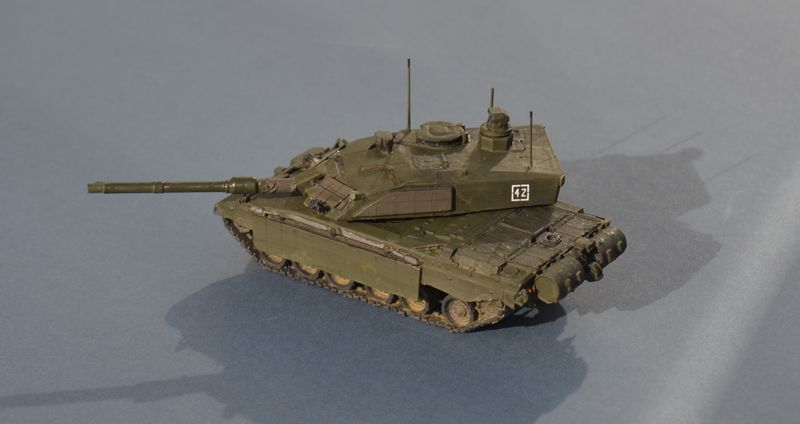
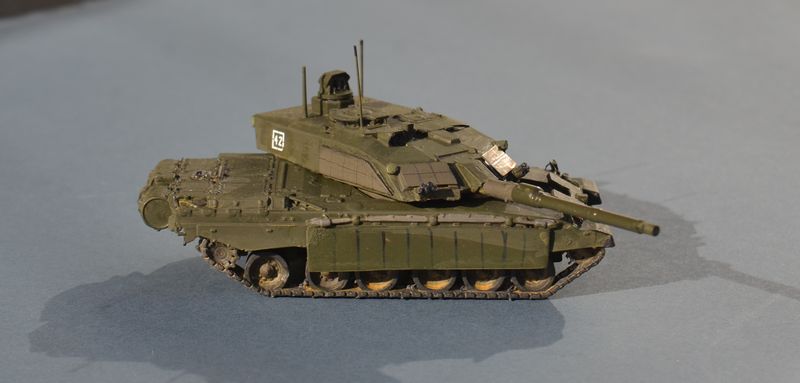
This “quick print” came on a whim after I attended this year’s marvellous Tank Fest. There are plenty of 3D files for Challenger 3s, but most represent Challenger 2 upgrade technology demonstrator, which doesn’t really show the new “squarer” turret.
These cheap files, from M3Dtech (£5.31) were much better in that respect, but still
needed some plastic card add-
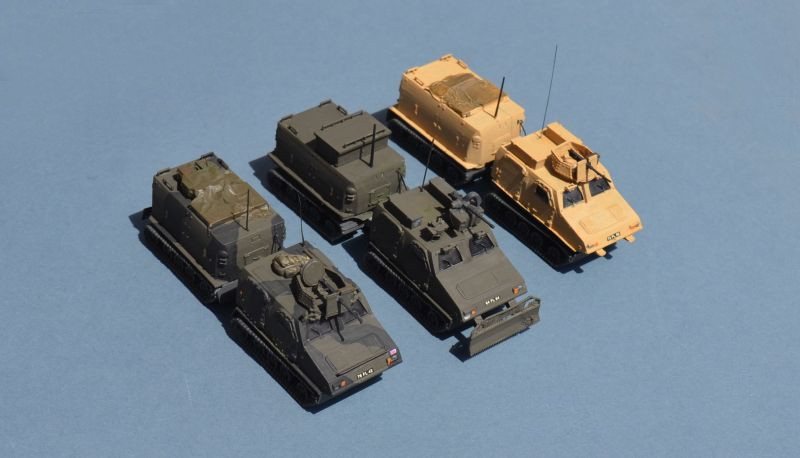
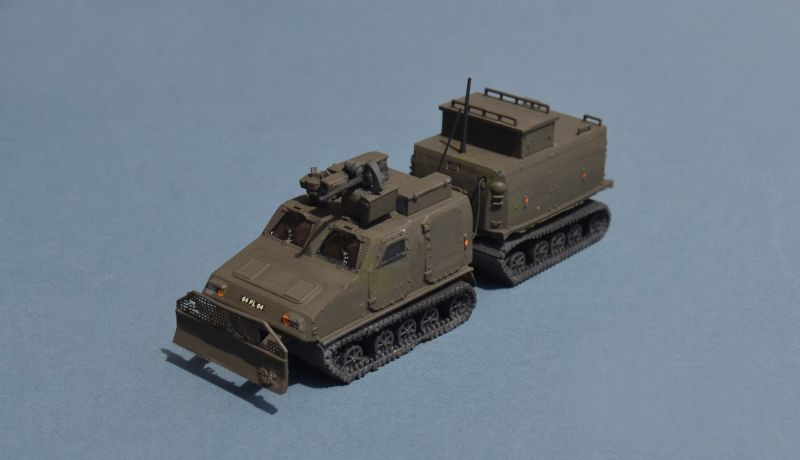
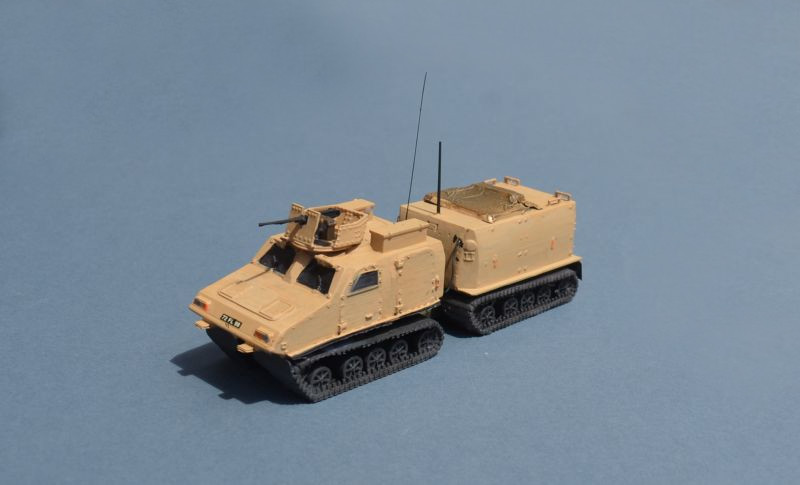
Printing (3) BVS-
Having had success with the Hippo BARV, I started looking for other Royal Marines
vehicles. A Centurion BARV (the Hippo's predecessor) is also available and I will
undoubtedly print one soon, but what drew my eye was a set of files for the BAe-
The files are intended for 1/100 scale and are not in any way as good as the Hippo, but looked to have some potential. The particular STL file that I chose (there are several) is an Austrian Army variant, so clearly some changes would be needed.
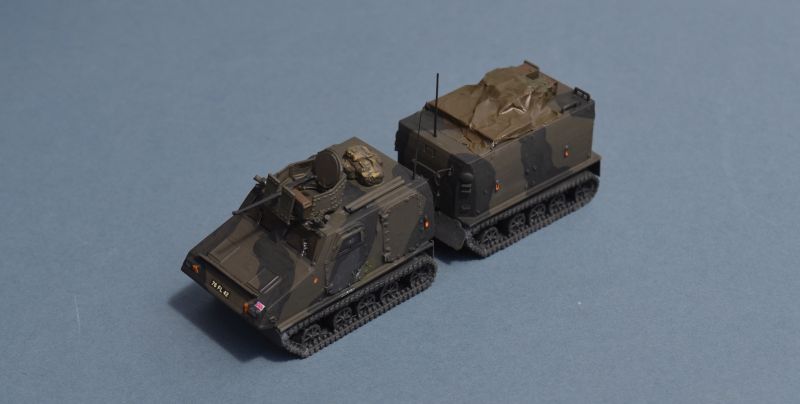
My first job was scaling up to 1/72, and here I found once again that the printed item was too small when I tried to match actual measurements. After a few rescales and test prints to determine the best orientation and supports for the tracks, I cut down the roof boxes and (for two of my prints) and removed the snow plough that wasn't printing well.
Royal Marines Vikings carry a GPK turret with either a heavy Machine Gun or a GPMG.
These I sourced from another set of files (which did scale up correctly!). For
one of the prints (the one that kept the snow plough) I added an EOS400 Remote Weapons
Station instead, just to give the occupants a little more comfort in arctic conditions
-
As with most military vehicles, the Vikings carry a significant amount of extra equipment
on their roofs, so the last of my stash of small rucsacs was added, along with a
few boxes that I covered in foil -
The joint between the two vehicles was very basic, so I added some sprue and rod based alternatives, along with some hydraulic hoses. I also added some smoke cannisters to one of the vehicles.
These 3 were much less successful prints than my previous ones (although I have finished 3, I had to print several more before I was happy. The basic files were quite crude and have some very significant accuracy issues in shape and detail, but they will do for now!
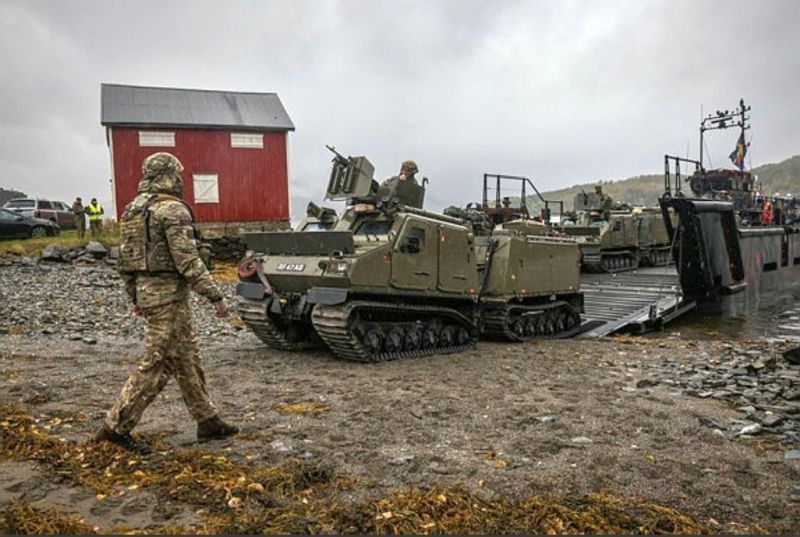
A Viking disembarks (or embarks?) from a Royal Navy Landing Craft (source not known)